
Managing household expenses can feel difficult when the cost of groceries, utilities, repairs, and everyday services continues to rise. While major budget changes can help, many homeowners can also save money through smaller decisions made throughout the year.
Simple habits such as maintaining appliances, reducing energy waste, planning purchases, and dealing with minor problems early can make a meaningful difference over time.
Here are several practical ways to lower home expenses without sacrificing comfort or convenience.
1. Review Your Monthly Spending
The first step toward saving money is understanding where it is going.
Look through recent bank and credit card statements and separate expenses into categories such as groceries, utilities, subscriptions, home maintenance, transportation, and entertainment.
Pay close attention to recurring charges. Streaming services, software subscriptions, delivery memberships, and unused service plans can quietly add to monthly expenses.
Cancelling even a few unnecessary charges can create immediate savings without affecting daily life.
2. Plan Grocery Shopping More Carefully
Food waste can have a major impact on a household budget.
Before grocery shopping, check the refrigerator, freezer, and pantry to see what is already available. Planning meals around existing ingredients can reduce unnecessary purchases and prevent food from expiring.
Using a shopping list also makes it easier to avoid impulse purchases.
Leftovers can often be frozen or reused in lunches, soups, casseroles, and other meals later in the week.
3. Reduce Energy Waste Around the Home
Small changes in energy use can help reduce monthly utility bills.
Turn off lights in rooms that are not being used and unplug electronics that remain on standby for long periods. Washing clothes in cold water when suitable and running full dishwasher or laundry loads can also improve efficiency.
Other simple steps include closing curtains during hot afternoons, using ceiling fans, sealing noticeable drafts, and adjusting the thermostat when nobody is home.
For more ideas, homeowners can review energy-saving information from Natural Resources Canada.
4. Keep Major Appliances Clean and Maintained
Appliances often become less efficient when filters, vents, coils, and other components are dirty.
A clogged dryer vent may increase drying time, while a dirty dishwasher filter can affect cleaning and drainage. Dust around refrigerator coils may also cause the appliance to work harder.
Regular maintenance does not need to be complicated. Cleaning accessible filters, checking door seals, removing lint, and following the manufacturer’s care instructions can help appliances operate more efficiently.
This may also reduce the chance of avoidable breakdowns.
5. Deal With Small Appliance Problems Early
A minor appliance issue can sometimes become more expensive when it is ignored.
Unusual noises, water leaks, longer cycle times, poor cooling, excessive vibration, and repeated error codes may all indicate that something is not working properly.
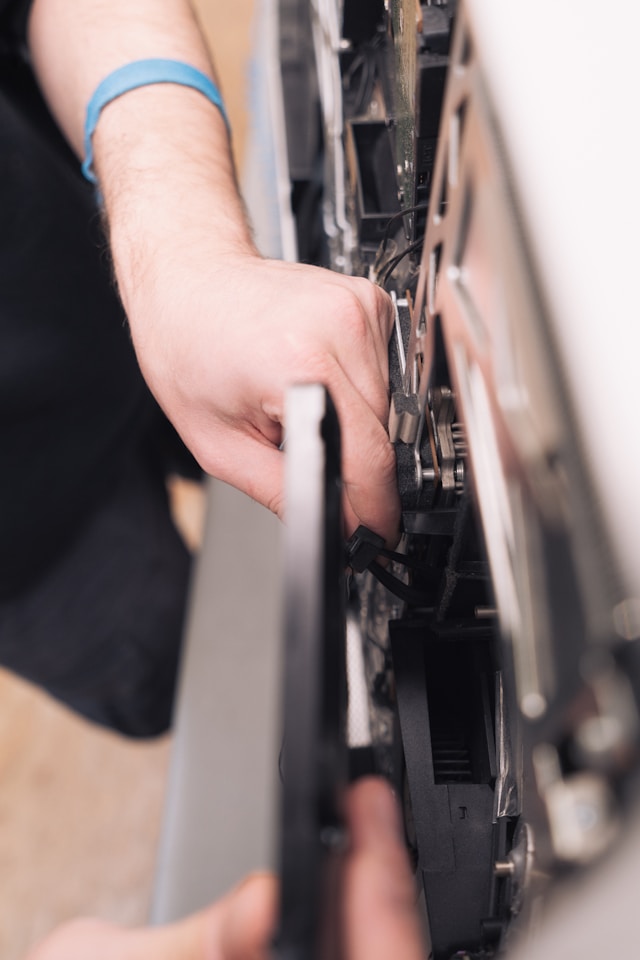
Start with simple checks such as cleaning filters, inspecting visible hoses, and reviewing the appliance manual. If the problem continues, seeking help with an appliance problem may make it easier to understand whether the issue can be repaired before further damage occurs.
Addressing a problem early may also help avoid food loss, water damage, or a complete appliance failure.
6. Compare the Full Cost of Repair and Replacement
Replacing an appliance is not always the most economical choice.
A relatively new appliance with one defective part may still have many years of useful life remaining. In contrast, an older appliance with frequent breakdowns and high energy use may be more expensive to keep.
When comparing repair and replacement, consider:
- The appliance’s age
- Its overall condition
- Previous repair history
- The estimated repair cost
- The cost of a comparable replacement
- Delivery and installation charges
- Disposal fees
- Expected energy use
Looking at the full cost can lead to a better decision than focusing only on the price of the repair.
7. Buy Based on Long-Term Value
The cheapest household product is not always the least expensive option over time.
Low-quality tools, filters, fixtures, and accessories may need to be replaced more often. Spending slightly more on a reliable product can sometimes provide better value.
Before making a purchase, compare warranties, materials, customer reviews, maintenance needs, and replacement-part availability.
Retailers such as Home Depot Canada can be useful for comparing household supplies, filters, and basic maintenance products.
8. Create a Home Repair Fund
Unexpected repairs are easier to manage when money has already been set aside.
Even a modest monthly contribution can build a useful emergency fund for appliance repairs, plumbing issues, heating problems, and other home expenses.
Keeping this money in a separate account can reduce the need to use high-interest credit when something breaks.
It also gives homeowners more time to compare options instead of making a rushed decision.
9. Review Insurance and Service Plans
Home insurance, internet plans, mobile phone packages, security services, and other recurring costs should be reviewed regularly.
Rates and promotions change over time, and many households continue paying for features they no longer use.
Contacting providers and comparing current plans may reveal opportunities to lower monthly expenses. Even a relatively small monthly reduction can add up to significant annual savings.
10. Avoid Delaying Routine Home Maintenance
Preventive maintenance is usually less expensive than emergency repairs.
Cleaning gutters, checking plumbing for leaks, replacing HVAC filters, inspecting caulking, and maintaining appliances can help prevent larger problems.
Creating a simple seasonal checklist can make these tasks easier to manage throughout the year.
Small Decisions Can Create Meaningful Savings
Saving money at home does not always require dramatic changes. In many cases, the most effective approach is to reduce waste, maintain what you already own, compare costs carefully, and deal with problems before they become more serious.
Over time, these practical habits can help lower household expenses and make the home easier to manage.

